 한국인
한국인 English
 Français
 Deutsch
 Русский
 Español
 Português
 عربي
عربي 日语
日语 Melayu
 Tiếng Việt
 Indonesia
 বাংলা
বাংলা 中文
中文
소개
급변하는 산업 환경 속에서 신뢰할 수 있고 넓은 공간의 환경 시험 솔루션에 대한 필요성은 그 어느 때보다 커졌습니다. 워크인 환경 챔버는 대규모의 통제된 시험 환경을 필요로 하는 제조업체와 연구 시설에서 가장 선호되는 장비로 자리매김했습니다. 이러한 챔버는 제품 전체, 부품 및 조립품에 대한 극한 조건을 시뮬레이션하는 데 필요한 공간과 정밀도를 제공합니다.
이 글은 누구를 위한 글인가요?
이 글은 특히 다음과 같은 분들을 위해 작성되었습니다:
워크인 환경 챔버란 무엇인가요?
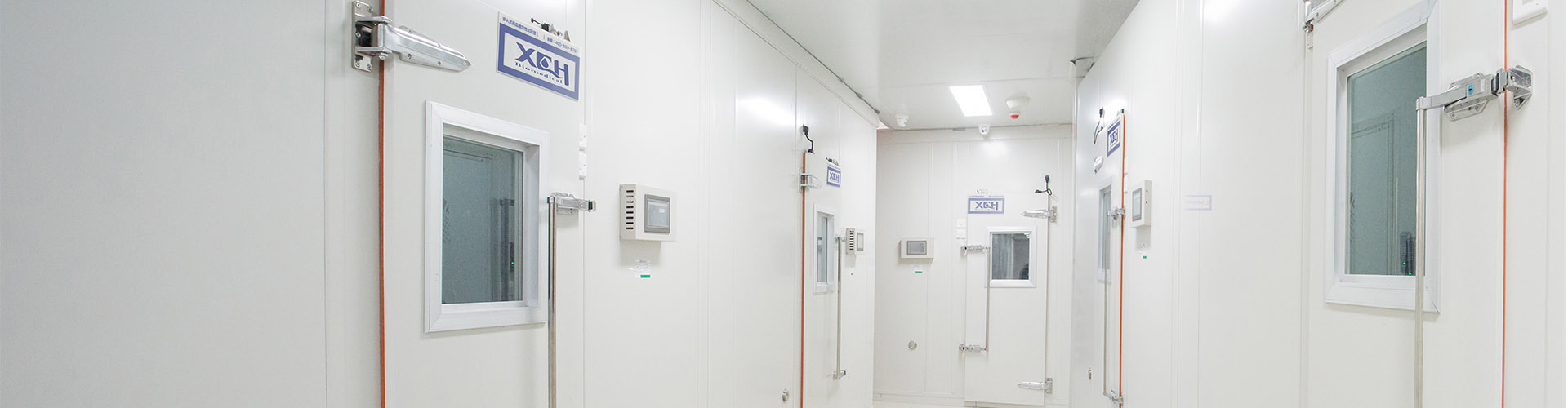
대형 환경 챔버는 극한의 온도와 습도 조건을 재현하도록 설계된 대규모 시험 장치입니다. 기존의 탁상형 챔버와 달리, 이러한 대형 환경 챔버는 기술자가 시험 공간 안으로 직접 걸어 들어갈 수 있도록 설계되어 있어 자동차 부품, 전자 제품, 산업 장비와 같은 대량 생산 제품이나 대형 개별 품목을 시험하는 데 이상적입니다.
작은 병실보다 큰 병실을 선택해야 하는 이유는 무엇일까요?
| 요인 | 워크인 챔버 | 벤치탑/데스크탑 챔버 |
|---|---|---|
| 용량 | 500~5,000세제곱피트 이상 | 1-50 세제곱피트 |
| 표본 크기 | 완제품, 대형 부품 | 소량 샘플, 개별 부품 |
| 테스트 효율성 | 수십 개의 장치를 동시에 테스트합니다. | 한 번에 한 배치씩 |
| 워크플로우 | 짐을 싣고 내리려면 안으로 들어오세요. | 수동 샘플 삽입 |
| 투자 | 초기 비용은 높지만 단위당 비용은 낮습니다. | 초기 비용은 낮지만 단위당 비용은 높습니다. |
| 가장 적합한 대상 | 자동차, 항공우주, 대형 전자제품 | 전자 부품, 재료 |
예약 없이 방문해야 하는 경우:
주요 응용 분야
워크인 챔버는 다양한 산업 분야에서 널리 사용됩니다.
워크인 챔버의 장점
공간 효율성테스트 조건을 저하시키지 않고 여러 제품을 동시에 테스트할 수 있습니다. 넓은 내부 공간 덕분에 한 번의 테스트 주기로 전체 제품 배치를 테스트할 수 있습니다.
유연성조절 가능한 선반과 구성 가능한 내부 공간은 다양한 제품 크기를 수용할 수 있습니다. 모듈식 설계로 특정 테스트 요구 사항에 따라 맞춤 설정이 가능합니다.
정밀 제어첨단 온도 및 습도 제어 시스템은 정확하고 반복 가능한 결과를 보장합니다. 마이크로프로세서 기반 컨트롤러는 ±0.5°C의 온도 균일성을 제공합니다.
운영 용이성시험편을 쉽게 넣고 뺄 수 있습니다. 넓은 출입문과 인체공학적 설계로 작업자의 피로를 줄여줍니다.
규정 준수ASTM, ISO, MIL-SPEC 및 IATA를 포함한 다양한 산업 분야의 국제 시험 표준을 충족합니다.
비용 효율적여러 장치를 한 번에 테스트하여 테스트 시간과 비용을 절감하고, 여러 개의 작은 테스트 챔버가 필요하지 않도록 합니다.
실세계 시뮬레이션실제 보관, 운송 및 운영 환경과 최대한 유사한 조건에서 제품을 테스트하십시오.
적합한 의회를 선택하세요
워크인 환경 챔버를 선택할 때는 다음과 같은 요소를 고려해야 합니다.
고려해야 할 기술 사양
| 매개변수 | 표준 범위 | 프리미엄 제품군 |
|---|---|---|
| 온도 범위 | -40°C ~ +150°C | -85°C ~ +200°C |
| 습도 범위 | 습도 30%~95% | 습도 10%~98% |
| 온도 균일성 | ±2°C | ±0.5°C |
| 가열 속도 | 3°C/분 | 10°C/분 |
| 냉각 속도 | 2°C/분 | 5°C/분 |
| 내부 용적 | 500-2,000 입방 피트³ | 2,000~5,000제곱피트 이상 |
FAQ - 자주 묻는 질문
Q1: 워크인 챔버는 어떤 온도 범위를 달성할 수 있습니까?
A: 일반적인 워크인 챔버는 보통 -40°C에서 +150°C까지 작동합니다. 고급 모델은 특정 테스트 요구 사항에 따라 최저 -85°C에서 최고 +200°C까지 온도를 올릴 수 있습니다.
Q2: 설치에 필요한 공간은 얼마나 됩니까?
A: 챔버 내부 외에도 모든 측면의 서비스 공간(일반적으로 24~36인치), 환기를 위한 천장 높이, 그리고 챔버 무게가 2,000파운드를 초과하는 경우 바닥 보강을 고려해야 합니다. 대부분의 제조업체는 자세한 설치 요구 사항을 제공합니다.
Q3: 에너지 소비량과 운영 비용은 얼마입니까?
A: 운영 비용은 온도 범위, 습도 수준 및 사용 빈도에 따라 다릅니다. 평균적으로 표준 워크인 챔버는 활성 테스트 주기 동안 15~30kWh의 전력을 소비합니다. 많은 최신 챔버에는 대기 전력 소비를 최대 40%까지 줄이는 에너지 절약 모드가 있습니다.
질문 4: 유지보수는 얼마나 어렵습니까? 전문 교육이 필요합니까?
A: 대부분의 워크인 챔버는 간단한 유지보수를 위해 설계되었습니다. 정기적인 유지보수 작업에는 응축기 코일 청소, 냉매량 점검 및 센서 교정이 포함됩니다. 제조업체는 일반적으로 작업자 교육을 제공하며, 많은 업체에서 포괄적인 서비스를 위한 연간 유지보수 계약을 제공합니다.
Q5: 일반적인 리드 타임과 보증 기간은 어떻게 되나요?
A: 일반적으로 제작 기간은 맞춤 제작 요구 사항에 따라 8~16주 정도 소요됩니다. 표준 보증 기간은 제품 전체에 대해 1~2년이며, 추가 보증은 구매 가능합니다. 일부 제조업체는 압축기와 같은 주요 부품에 대해 5년 보증을 제공하기도 합니다.
Q6: 워크인 챔버는 맞춤 제작이 가능한가요?
A: 네, 대부분의 제조업체는 다음과 같은 맞춤 설정 옵션을 제공합니다.
결론
워크인 환경 챔버는 포괄적인 제품 테스트 기능을 필요로 하는 모든 조직에 필수적인 투자입니다. 넓은 테스트 환경과 정밀한 환경 제어 기능을 결합하여 제품이 최고 품질 기준을 충족하고 실제 환경에서 안정적으로 작동하도록 보장합니다.
자동차, 항공우주, 전자, 제약 또는 연구 개발 산업 등 어떤 분야에 종사하시든, 워크인 챔버는 귀사의 시험 프로그램에 필요한 다용성과 신뢰성을 제공합니다.





 IPv6 네트워크 지원