안정성 챔버란 무엇이며 실험실에 왜 필요한가?
Mar 27, 2026
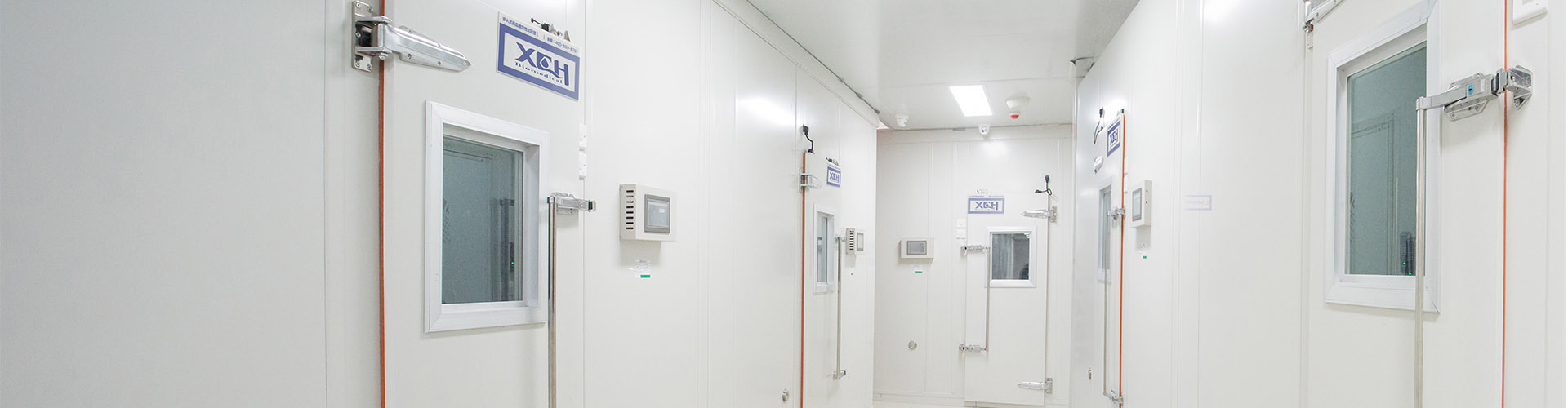
제약, 생명공학, 재료과학 등 규제 산업의 경우, 일관된 환경 조건은 선택 사항이 아니라 필수 사항입니다. 안정성 챔버 이 장비는 정밀하게 설계되어 장기간 특정 온도 및 습도 수준을 유지함으로써 제품이 품질 및 안전 기준을 충족하도록 보장합니다.안정성 챔버란 정확히 무엇인가요?안정성 챔버(또는 안정성 챔버) 안정성 시험 챔버 환경 챔버는 온도, 습도, 그리고 경우에 따라 빛 노출까지 제어하여 실제 보관 환경을 모방하는 밀폐된 공간입니다. 이러한 챔버는 다음과 같은 용도로 사용됩니다.장기 안정성 테스트 의약품가속 노화 화장품 및 의료기기 연구재료 시험 전자제품 및 산업용 부품용생물학적 시료 보관 연구 실험실에서일반적인 배양기와 달리 안정성 챔버는 다음과 같은 엄격한 규제 기준을 충족하도록 제작되었습니다. ICH Q1A, FDA 21 CFR 파트 11, 그리고 GMP 요구사항.최신 안정성 챔버의 주요 특징정밀한 온도 제어 — 일반적으로 -70°C ~ +200°C 범위에서 ±0.5°C의 정확도로 작동합니다.습도 범위 — 상대습도 10% ~ 98%데이터 로깅 — USB 또는 네트워크 내보내기를 통한 실시간 녹화검증 문서 — 규제 준수를 위한 IQ/OQ/PQ 프로토콜실험실에 안정성 챔버가 필요한 이유1. 규정 준수제조 또는 테스트를 하는 경우 의약품의약품, 의료기기 또는 화장품의 경우 안정성 시험은 법적으로 의무화되어 있습니다. 규제 기관(FDA, EMA, WHO)은 제품이 유통기한 동안 안정적으로 유지된다는 문서화된 증거를 요구합니다.2. 제품 품질 보증불안정성은 제품 품질 저하, 치료 효과 저하 또는 심지어 안전 위험으로 이어질 수 있습니다. 안정성 챔버는 제품이 환자나 고객에게 도달하기 전에 문제를 파악하는 데 도움을 줍니다.3. 비용 효율성불안정성을 조기에 감지하면 비용이 많이 드는 리콜과 제품 폐기를 방지할 수 있습니다. 안정성 챔버에 대한 투자는 품질 관리 개선을 통해 투자 비용을 상쇄합니다.4. 연구의 신뢰성위탁시험기관의 경우, 인증된 안정성 챔버를 보유하면 서비스 범위를 확장하고 규제 산업 분야에서 더 많은 고객을 유치할 수 있습니다.안정성 챔버의 종류유형가장 적합한 대상용량리치인 챔버소량 생산, 제약 연구소100-2000리터예약 없이 방문 가능한 진료실대규모 테스트, 자동차/전자제품5-50m³광안정성 챔버빛에 민감한 제품전문화된냉장실저온 보관-70°C ~ +60°C적합한 챔버를 선택하는 방법안정성 챔버를 선택할 때 다음 사항을 고려하십시오.온도 및 습도 범위 테스트에 필요합니다챔버 용량 샘플 부피를 기준으로규제 인증 (CE, UL, FDA 규정 준수)데이터 관리 시스템 호환성판매 후 지원 및 교정 서비스결론제약 제조업체, 위탁시험기관 또는 연구기관이든 관계없이, 안정성 챔버 제품 품질 및 규제 준수를 보장하기 위한 필수적인 투자입니다. 제품 안전에 대한 세계적인 관심이 높아짐에 따라, 인증된 안정성 시험 역량을 갖추는 것은 더 이상 선택 사항이 아니라 경쟁력 확보를 위한 필수 조건입니다.추천 도서:의약품 시험용 워크인 안정성 챔버광민감성 제품용 광안정성 챔버
더 읽어보기
 한국인
한국인 English
 Français
 Deutsch
 Русский
 Español
 Português
 عربي
عربي 日语
日语 Melayu
 Tiếng Việt
 Indonesia
 বাংলা
বাংলা 中文
中文





 IPv6 네트워크 지원